

Aluminium recycling conserves valuable resources and, compared with primary extraction, cuts energy requirements by around 95 per cent. Thanks to modern separation and smelting processes, the material remains permanently within the cycle and forms the basis for a sustainable industry. Correct disposal by consumers and businesses safeguards the high quality of the recovered metals.
We encounter aluminium in countless forms in everyday life, from protective packaging through to complex components in vehicle engineering. Yet the extraction of new aluminium from bauxite is an extremely energy-intensive process that places a heavy burden on the environment. The solution is aluminium recycling, which returns the material to the economic cycle without any loss of quality. When you opt for sustainable solutions, you make a direct contribution to environmental protection and economic efficiency. This guide takes you deep into the world of metal processing and shows why every single can counts.
Why is recycling aluminium so important?
Aluminium recycling is essential, as it prevents the depletion of limited natural resources and drastically reduces industrial CO2 emissions. Recycling also saves enormous amounts of electrical energy that would otherwise have to be expended on the electrolysis of aluminium oxide. At a time when sustainability is not an option but a necessity, the circular economy represents the only way to operate in an ecologically viable manner over the long term.
Enormous energy savings: 95% less electricity consumption
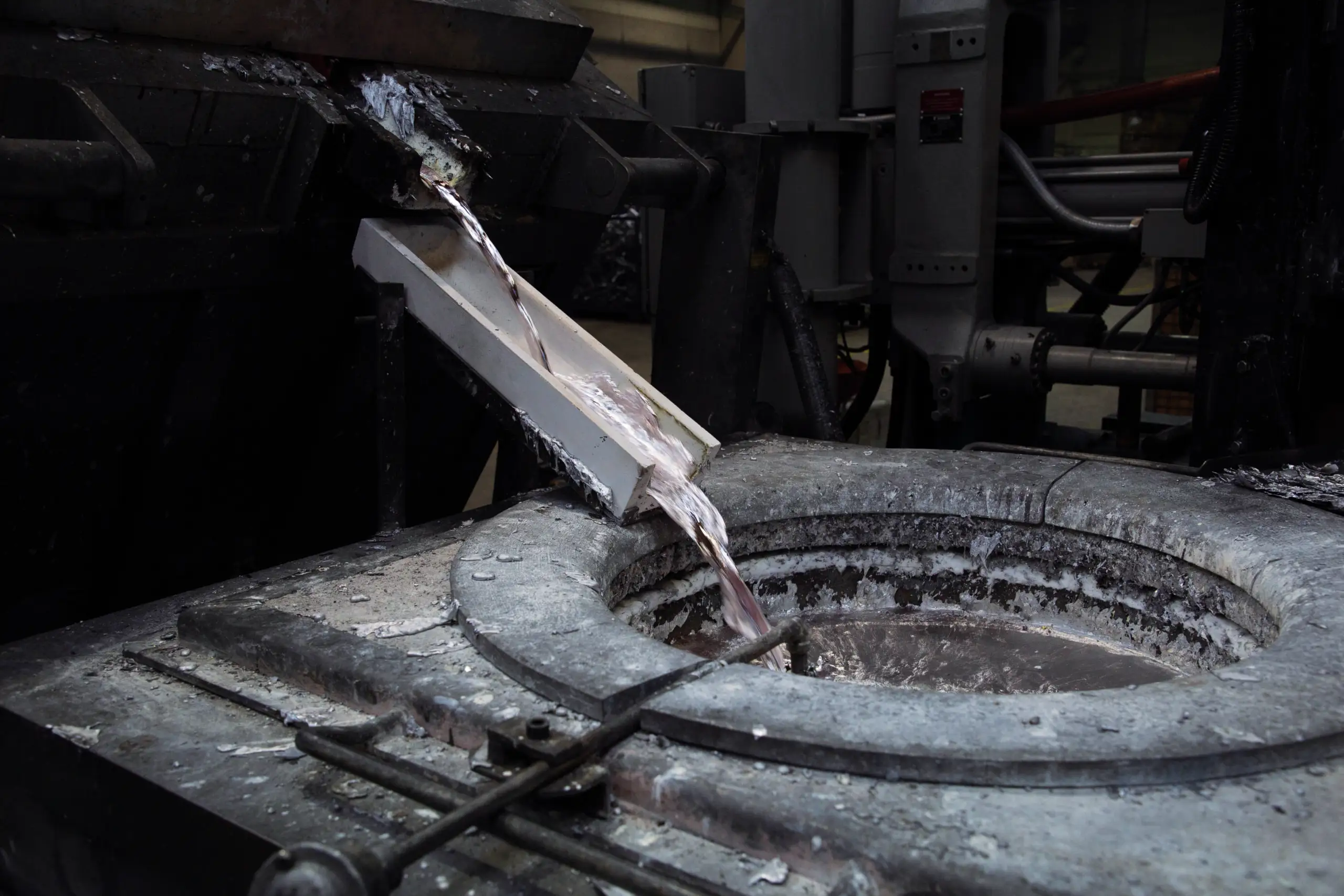
Processing aluminium requires only around 5 per cent of the energy that would be needed to produce primary aluminium. This vast difference arises because melting down old scrap requires far less physical energy than the chemical breakdown of ore. In practice, this means that the energy needed for a single newly produced beverage can is enough to make twenty cans from recycled material. This efficiency makes the metal a prime example of a worthwhile circular economy that combines both ecological and economic benefits.
Resource conservation: massively reducing the carbon footprint
By using secondary aluminium, we avoid the large-scale mining of bauxite and the associated clearing of forested areas. Since the recycling process generates almost no harmful emissions, greenhouse gas output per tonne of metal falls significantly. The Brundtland Commission defined sustainability early on as development that meets the needs of the present without compromising the ability of future generations to meet their own. Aluminium recycling fulfils this demand par excellence by conserving raw material stocks and improving air quality.
The recycling process: how scrap becomes raw material once again
The aluminium recycling process describes the precise transformation of waste into high-quality metal ingots through sorting, cleaning and smelting. State-of-the-art technologies are used in specialised facilities to remove impurities. The goal is always a single-grade end product that meets the exacting requirements of industry.
From collection to sorting by alloy
Precise mechanical sorting forms the basis for high-quality secondary material. Here, aluminium is separated from other metals and foreign matter using eddy current separators and sensor-based systems. Since aluminium is often alloyed, that is, mixed with elements such as magnesium or silicon, this separation is crucial for its subsequent use. Only when the alloy types have been cleanly separated from one another is the full value of the metal retained and a high-quality cycle made possible.
Processing: shredding, cleaning and pyrolysis
After pre-sorting, the scrap is shredded and freed from paints or attached residues. Modern pyrolysis technology provides valuable service here, gasifying organic residues at high temperatures. This thermal pre-treatment ensures that no gas inclusions or impurities arise during the subsequent melting. This step is technically demanding and requires specialist expertise in order to preserve the integrity of the metal and make the process safe.
The melting process and casting new ingots
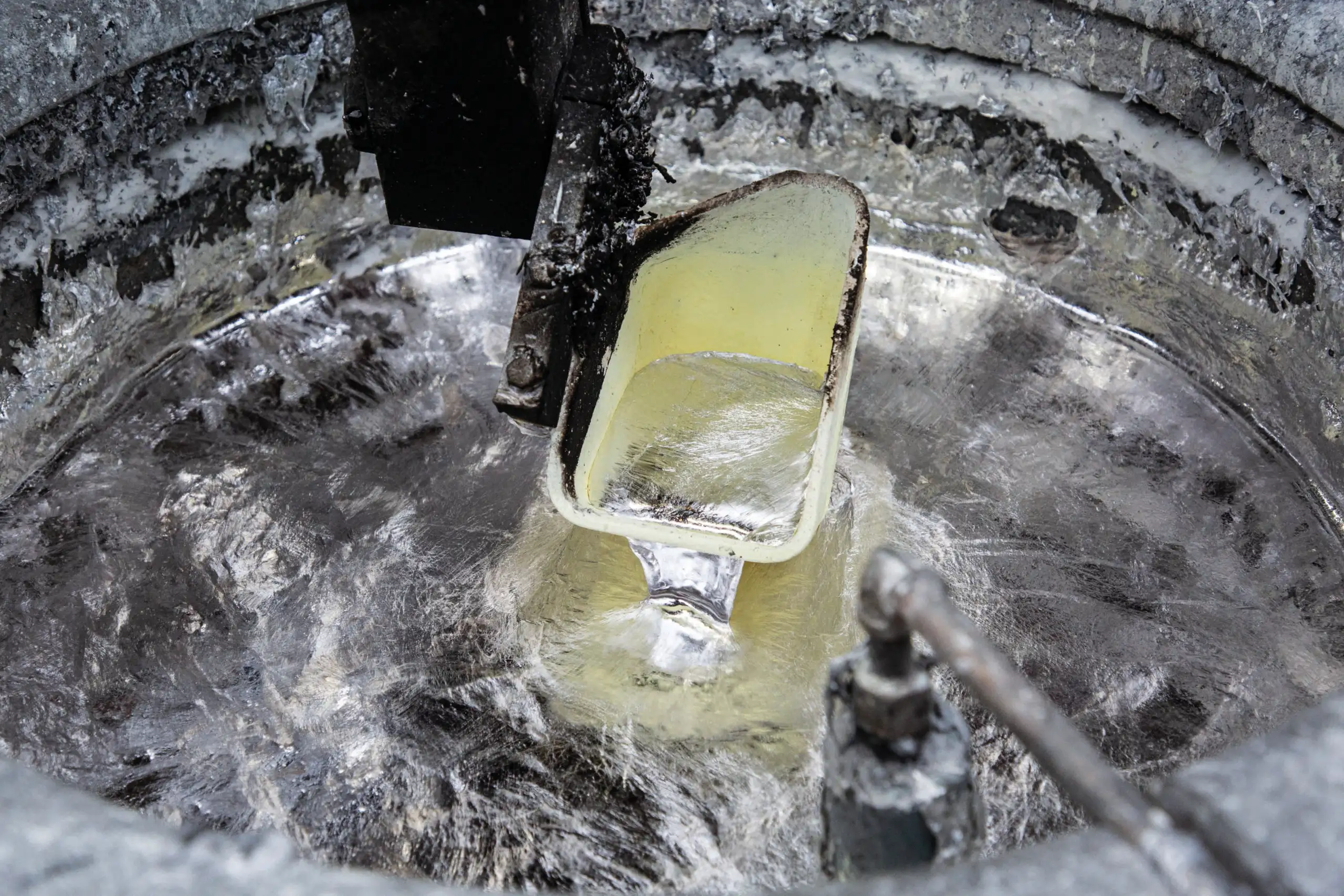
The cleaned material finally passes into the melting furnace, where it is liquefied at around 660 degrees Celsius. In this liquid state, a final refining takes place to remove any remaining oxides before the metal is cast into moulds. These ingots, or sows, form the starting point for new rolled products or castings. The entire operation is a closed cycle that can, in theory, be repeated an infinite number of times, thereby creating the basis for green aluminium.
Pre-consumer vs. post-consumer: where does the aluminium scrap come from?
The difference lies in the origin of the material: pre-consumer scrap comes from industrial production waste, whereas post-consumer scrap is discarded by end users. Industrial waste is usually very clean and has a known composition, which simplifies processing. Post-consumer waste such as yoghurt lids or old window frames, on the other hand, is often more heavily contaminated and requires more involved cleaning. Both sources are nonetheless indispensable for meeting the high demand for recycled material and increasing the overall efficiency of the system.
The challenge of "downcycling": can aluminium be recycled an infinite number of times?
In theory, aluminium can be recycled an infinite number of times without any loss of quality; in practice, however, the mixing of different alloys often results in a lower grade. This phenomenon is known as downcycling, when a high-quality aircraft component ultimately becomes nothing more than a simple cast block for less demanding applications. To minimise this effect, a resource-conscious industrial policy relies on ever-finer sorting technologies and intelligent product design. The purer the raw materials collected, the more likely it is that genuine “loop-to-loop” recycling will succeed, in which quality remains stable across generations.
How do I dispose of aluminium correctly? Tips for the home and business
You can dispose of aluminium most effectively in the recycling collection (the German “Gelber Sack”) or via municipal recycling centres, in order to guarantee its retention within the cycle. Take care to roughly clean aluminium foils or cups and not to firmly attach them to other materials. In the commercial sector, specialist partners often offer collection sacks or container services that ensure professional collection. By consistently separating your waste, you support a green environmental policy and ensure that valuable secondary raw materials are not lost to thermal waste treatment.

Conclusion: aluminium as a key component of the circular economy
Thanks to its outstanding recycling properties, aluminium is one of the most sustainable materials in modern industry. The low energy input required for recycling makes the metal a pioneer of climate-neutral production. If policymakers, industry and consumers work together on optimised collection and sorting, we will secure the raw material supply of the future. Aluminium recycling is therefore far more than waste management; it is an active service to our planet.
Frequently asked questions about aluminium recycling
Yes, the metal can, in theory, be melted down any number of times without damaging its atomic structure or fundamental material properties.
In Germany, rates of over 90 per cent are achieved in packaging and automotive engineering, which is a leading figure by international standards.
In Germany, clean or roughly cleaned aluminium foil belongs in the recycling collection so that it can be fed into the sorting facilities.
If aluminium ends up in residual waste, it partially oxidises during incineration or is lost as bottom ash, which represents an enormous waste of resources.
Different alloys make the process more difficult, as high-quality products often require very specific compositions that can be lost through mixing.
Global demand for aluminium is rising so sharply that the old scrap currently available cannot yet fully cover requirements on its own.